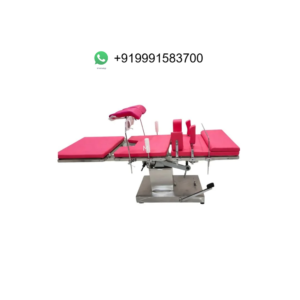


Material Stainless Steel
Country of Origin Made in India
The PM Vishwakarma Toolkit is an initiative by the Government of India aimed at providing financial assistance and support to traditional artisans and craftspeople, known as Vishwakarmas. These individuals are skilled in various trades such as carpentry, blacksmithing, weaving, pottery, masonry, and other traditional crafts. The toolkit is designed to empower these artisans by providing them with the necessary tools and resources to enhance their skills and improve their livelihood.
Here’s a brief overview of the PM Vishwakarma Toolkit:
1. Purpose and Objective
The toolkit aims to support artisans in various sectors by providing them with modern tools, equipment, and training. It intends to:
Improve the productivity and quality of craftsmanship.
Encourage self-employment and entrepreneurship among artisans.
Empower traditional workers by integrating modern tools with traditional skills.
Ensure better income and improved living standards for artisans.
2. Beneficiaries
The PM Vishwakarma Toolkit primarily targets individuals who are skilled in traditional crafts and trades, such as:
Carpenters (Suthars)
Blacksmiths (Lohars)
Weavers
Potters
Stone Masons
Goldsmiths (Sonars)
Barbers
Cobblers
Tailors
Fishing Net Makers
Other artisans involved in traditional craftsmanship
3. Contents of the Toolkit
The toolkit provides a variety of tools and equipment specific to each trade. Here’s a general breakdown of the types of tools typically included in the PM Vishwakarma Toolkit:
Basic Tools for Each Craft: The toolkit includes specialized tools that are tailored to the specific needs of each artisan’s trade. For example, carpenters receive tools like saws, chisels, and hammers, while potters get items such as pottery wheels and clay tools.
Modern Equipment: To improve the quality of work, the kit may include modern equipment such as electric tools, sewing machines for tailors, or grinders for masons and blacksmiths.
Safety Gear: Some toolkits may also include basic protective gear like gloves, aprons, and masks to ensure the safety of the artisans while working.
Training and Skill Development: In addition to tools, the toolkit provides access to skill development programs to enhance the artisans’ proficiency in their respective crafts.
4. Key Features
Financial Support: The toolkit is often provided with financial support from the government, making it affordable for artisans, especially those in rural or economically disadvantaged areas.
Emphasis on Skill Development: The program often includes training workshops and resources to ensure artisans can use the new tools effectively, integrating traditional techniques with modern technology.
Enhancing Livelihoods: By improving the efficiency and quality of their work, artisans can potentially increase their earnings and expand their businesses.
Sustainability: The initiative encourages sustainability by providing tools that help artisans become more competitive and self-reliant, reducing dependency on outdated equipment or intermediaries.
5. Implementation and Outreach
The toolkit is part of a broader government effort to promote skill development among traditional artisans. It is often delivered in collaboration with local authorities, craft unions, and skill development centers to ensure widespread access. Artisans are encouraged to register for the scheme to receive the tools and training relevant to their craft.